A honey bee colony rarely appears overnight — the signs are usually there for weeks before most homeowners notice. This guide shows you exactly where bees like to nest, the clues that give them away, and why store‑bought sprays almost always make things worse.
Where Will You See Bees?
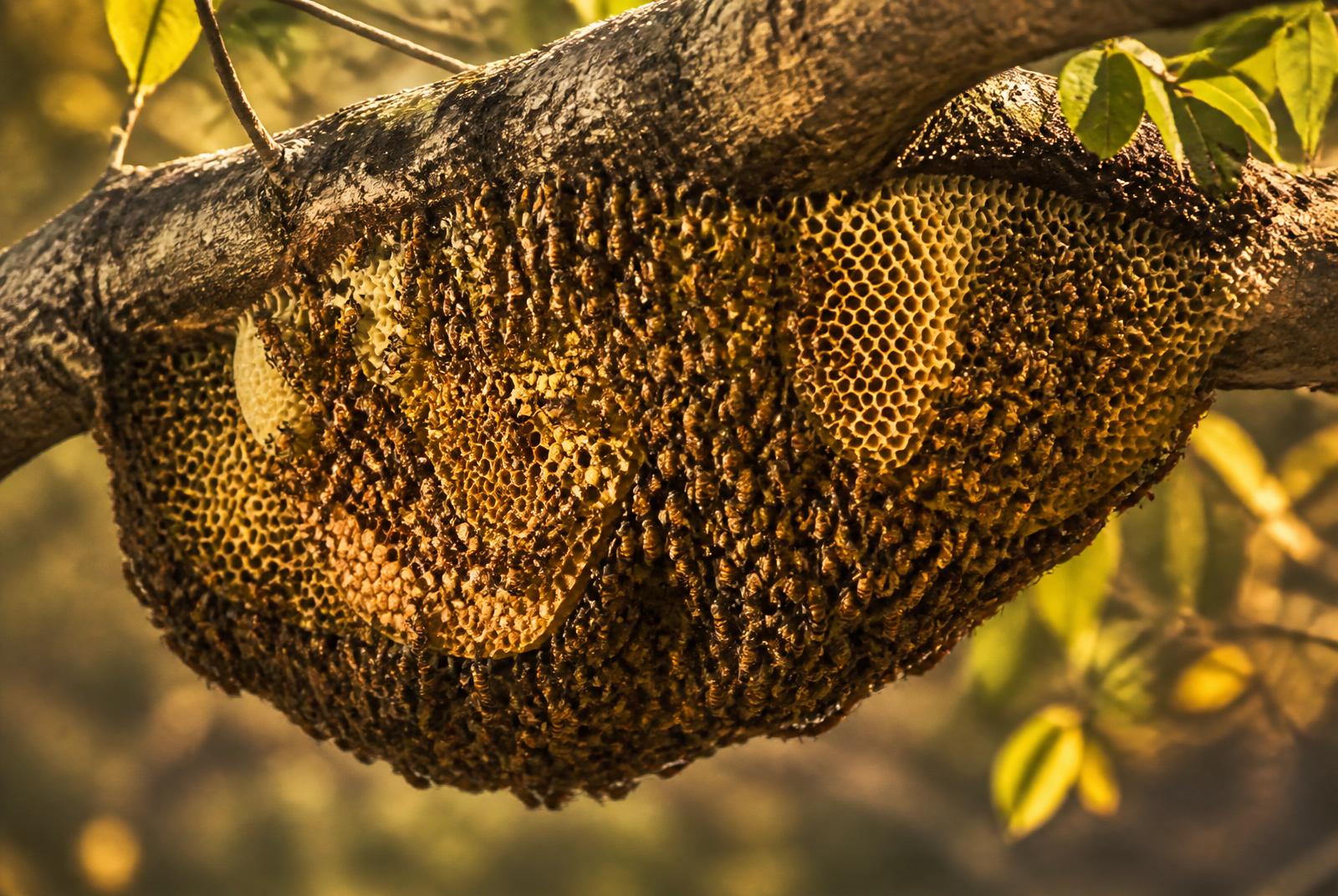
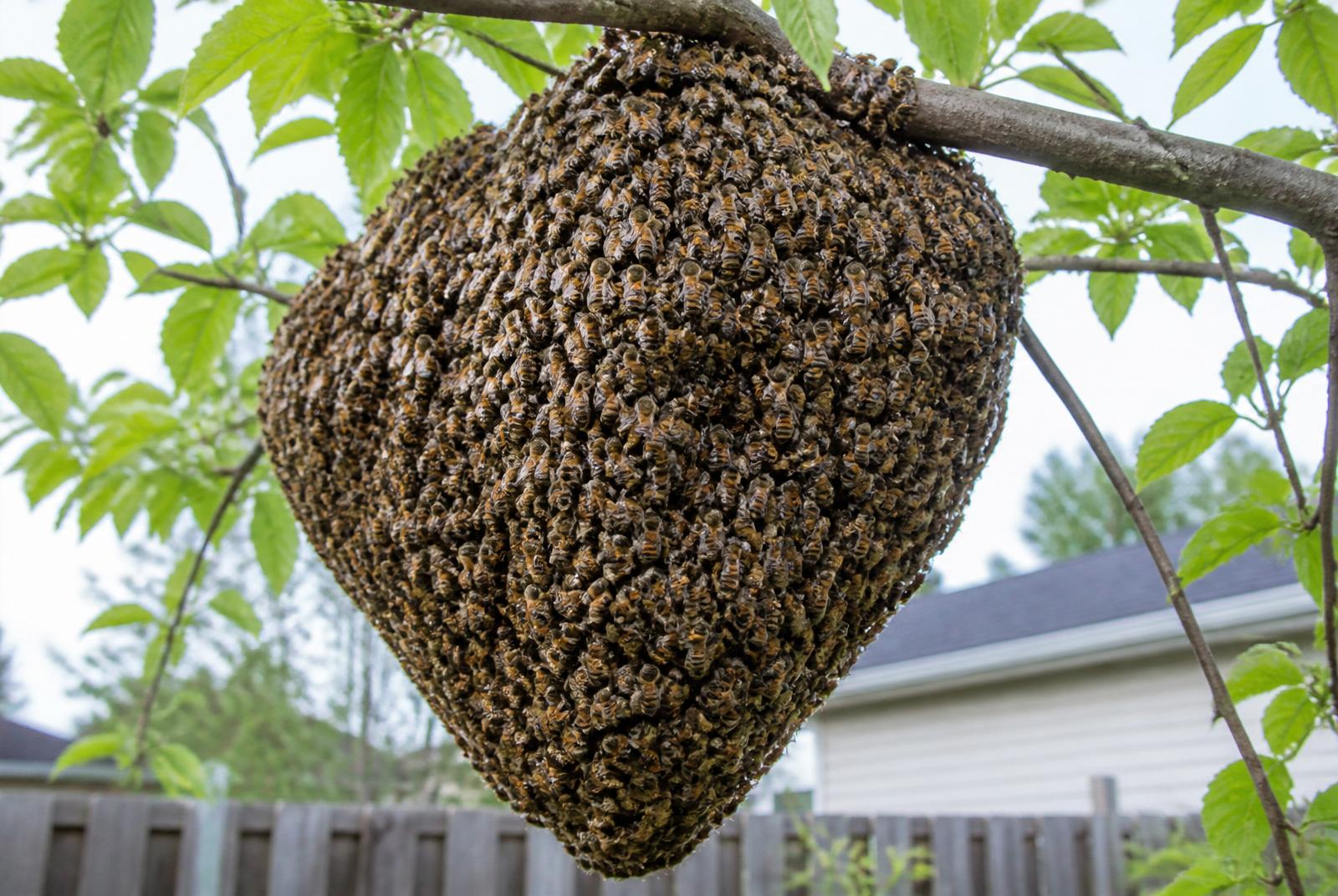
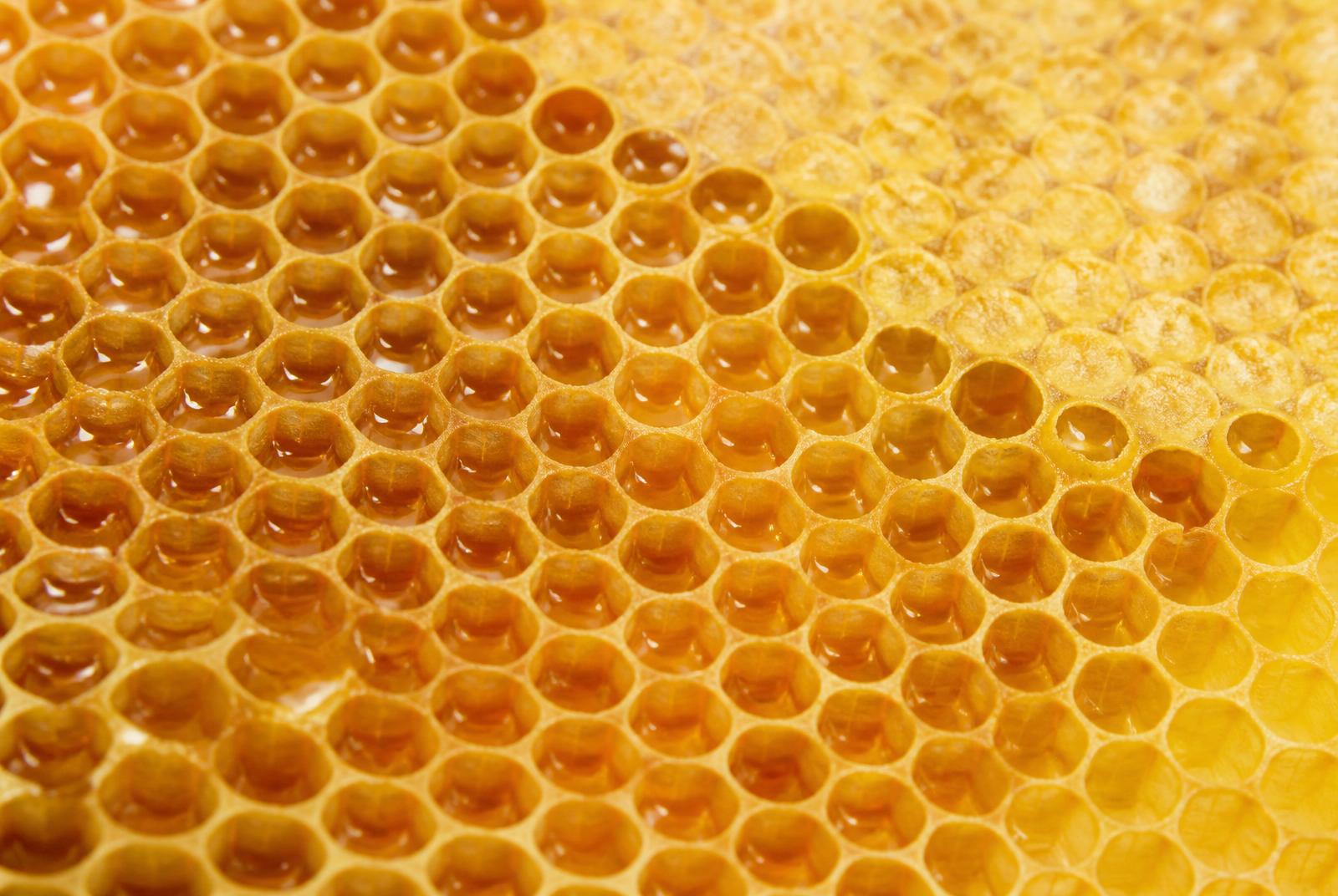
In Texas, there are very few dome‑shaped beehives hanging from trees. Permanent homes in trees are most often aerial nests — multiple layers of honeycomb containing one queen, a minimum of several thousand bees, honey, and brood (eggs sealed inside wax chambers).
Bees will make their home almost anywhere the queen and her colony can shelter from intense sun, high winds, and heavy downpours. In practice, that means all around your property.

Among the most common places for bees to establish a colony:
- Beneath roof tiles, in soffits, or inside roofs of houses or sheds
- In dog houses, chicken coops, or bird houses
- Beneath floors of work sheds or children's play sets
- Inside overturned flower pots, canoes, or boats
- Beside or behind electrical meter boxes or cables
- In bushes, attics, mailboxes, or hollows of trees
- Beneath mobile homes or work trailers; within barbecue grills or outdoor furniture
- Between storm windows or between window and storm shutters
- In trash piles or wood piles
- Beneath or within abandoned vehicles or trailers
Bee Clues
The most obvious clue you have an infestation is seeing a concentration of bees on or in a single location. But the earliest — and most important — warning signs are far more subtle.
Not obvious but IMPORTANT clues:
Call Houston's #1 Bee & Honey Removal Specialist
If you see any of the signs above — even just a few bees hovering in the same spot each day — call Gotcha Pest Control. Our licensed technicians perform live bee removal, full honeycomb extraction, and entry‑point exclusion so bees cannot return. We've been doing this across the Greater Houston Area since 1994 and were founders of the Save The Bees Initiative.

Treatments That Don't Work
Spraying Wasp & Hornet Killer
Over‑the‑counter aerosols only kill the bees you can see. Thousands more remain deep inside the wall — and the surviving colony becomes defensive and dangerous.
Burning or Smoking Them Out
Fire is a top cause of avoidable structural damage during bee incidents. It rarely reaches the queen and often ignites wax, insulation, or framing.
Sealing the Entry Hole
Trapped bees will chew through drywall to escape — often into your living space. Meanwhile, abandoned honeycomb melts, stains ceilings, and attracts secondary pests.
Waiting It Out
An untreated colony grows by thousands of bees per month, produces more honey, and becomes exponentially harder — and more expensive — to remove safely.
Don't wait — colonies grow fast.